
Transform Your Digestive Health Today
Discover evidence-based nutrition guidance and practical strategies to optimise your gut health, energy levels, and overall wellbeing through informed dietary choices.
Why Digestive Health Matters
Your digestive system is the foundation of your overall health. When it functions optimally, your body absorbs essential nutrients more effectively, your energy levels improve, and you experience better mental clarity and immune function.
Nutrient Absorption
A healthy gut maximises nutrient uptake from the foods you eat, ensuring your body gets the vitamins and minerals it needs for optimal function.
Immune Support
Over 70% of your immune system resides in your gut. Supporting digestive health through proper nutrition strengthens your body's natural defences.
Energy & Vitality
Proper digestion and nutrient absorption directly impact energy production. Many people experience improved vitality when their gut health improves.
Mental Clarity
The gut-brain connection is well-documented. Supporting digestive wellness can enhance focus, mood, and overall cognitive function.
The Science Behind Optimal Digestion
Digestive health isn't just about avoiding discomfort—it's about creating an internal environment where your body thrives. Your digestive system is a complex network of organs, bacteria, and chemical processes working together to break down food, absorb nutrients, and eliminate waste.
Key factors that influence digestive health include the foods you consume, how thoroughly you chew, your stress levels, sleep quality, hydration, and the balance of your gut microbiome. By understanding these factors, you can make informed choices that support better digestion naturally.
At Nutritionadvisehub, we provide evidence-based guidance on how to optimise each of these areas through dietary choices and lifestyle adjustments, helping you build long-term digestive wellness.
Learn More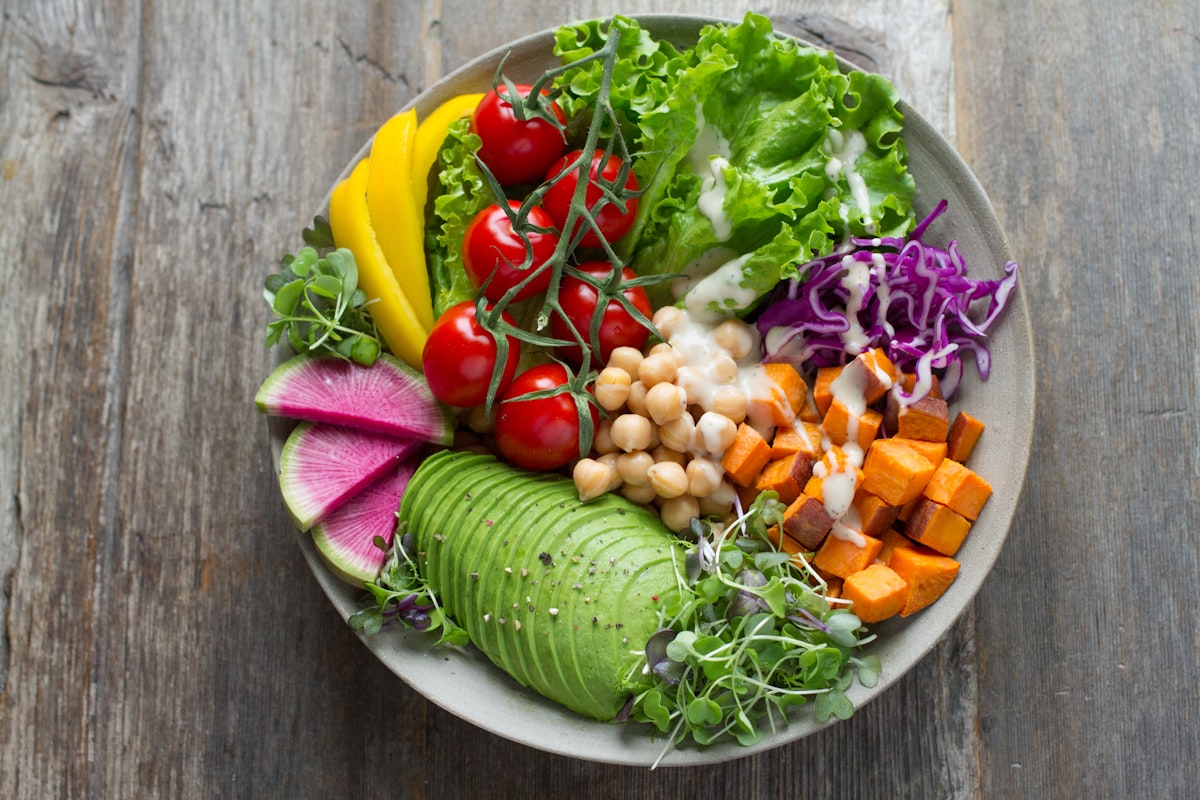
Key Principles of Nutritional Wellness
Supporting digestive health requires a holistic approach. These core principles form the foundation of our educational content and guidance.
Whole Foods First
Prioritise minimally processed whole foods over refined products. Vegetables, fruits, whole grains, legumes, nuts, and quality proteins provide the fibre and nutrients your digestive system needs to function optimally.
- Rich in dietary fibre for healthy transit
- Abundant micronutrients and phytonutrients
- Support beneficial gut bacteria growth
Hydration Matters
Adequate water intake is essential for digestion. Water helps dissolve nutrients, enables enzyme function, softens stool for easier transit, and supports the mucous membranes lining your digestive tract. Most people benefit from consistent daily hydration.
- Aids nutrient dissolution and absorption
- Prevents dehydration-related issues
- Supports natural detoxification processes
Movement & Lifestyle
Physical activity, stress management, and quality sleep directly influence digestive function. Exercise stimulates natural contractions of the intestines, whilst good sleep allows your digestive system to repair and regenerate. Stress reduction techniques are equally important.
- Regular activity stimulates healthy transit
- Sleep quality supports digestive repair
- Stress reduction improves gut-brain function
Nutrient-Rich Foods for Better Digestion
Discover foods that nourish your digestive system and support optimal nutrient absorption.

Leafy Greens & Vegetables
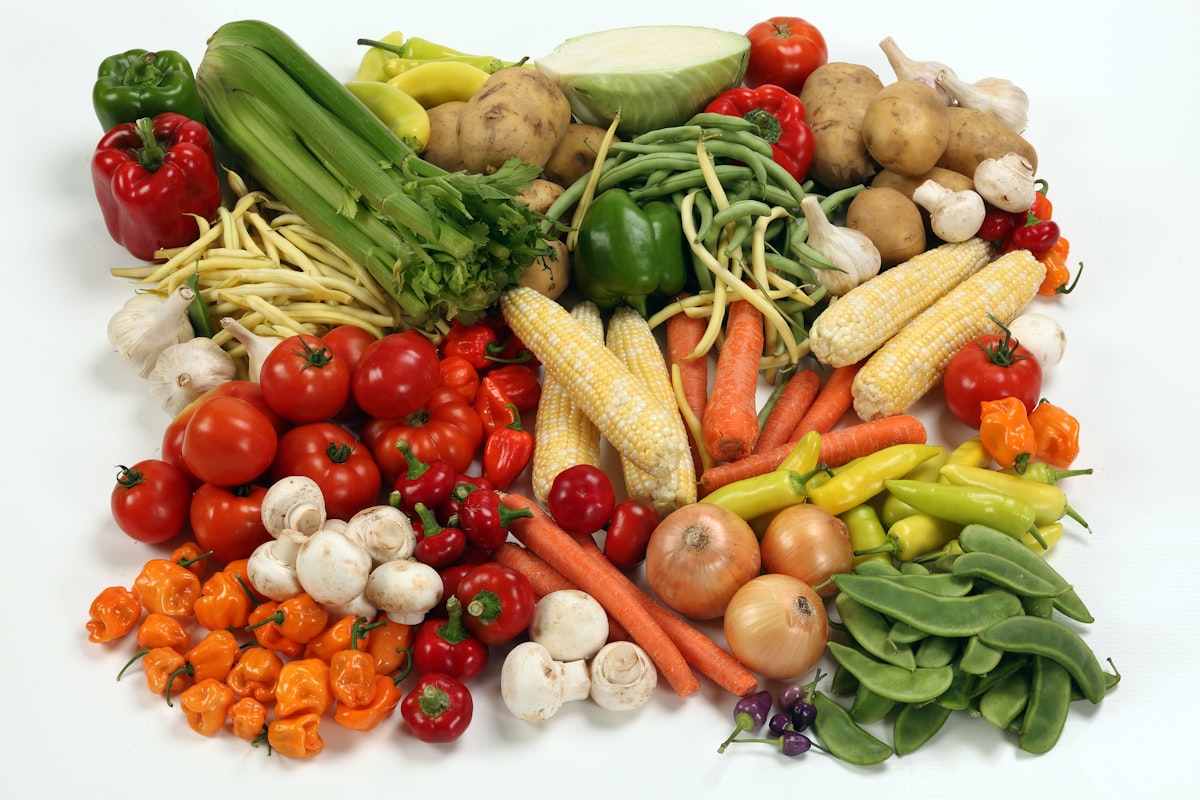
Spinach, kale, broccoli, and other vegetables are rich in fibre, vitamins, and minerals. They support the growth of beneficial gut bacteria and provide chlorophyll, which supports natural detoxification processes in your body.
Include a variety of colours in your diet—each colour represents different beneficial compounds.

Berries & Whole Grains
Blueberries, raspberries, and other berries contain antioxidants and soluble fibre. Whole grains like oats, quinoa, and brown rice provide sustained energy and feed beneficial bacteria in your gut microbiome.
Replace refined grains with whole grain options to maximise digestive benefits.
Legumes & Plant Proteins
Beans, lentils, and chickpeas are excellent sources of plant-based protein and resistant starch, which feeds beneficial gut bacteria. They promote feelings of fullness and provide sustained energy throughout the day.
Start with smaller portions if you're new to legumes to allow your system to adjust.

Fermented Foods & Healthy Fats
Yoghurt, kefir, sauerkraut, and kimchi contain live beneficial bacteria. Nuts, seeds, avocados, and olive oil provide healthy fats that support nutrient absorption and reduce inflammation in your digestive tract.
Include fermented foods regularly to maintain a diverse, healthy microbiome.

Herbs & Spices
Ginger, turmeric, garlic, and other herbs and spices have been used for centuries to support digestive health. They contain compounds that may reduce occasional inflammation and support natural digestive processes.
Fresh herbs add flavour whilst providing additional nutritional benefits to your meals.

Quality Proteins
Fish rich in omega-3s, poultry, eggs, and grass-fed meat provide essential amino acids needed to maintain the integrity of your gut lining. Proper protein intake supports muscle maintenance and overall digestive function.
Choose minimally processed protein sources whenever possible.
Common Questions About Digestive Health
Find answers to frequently asked questions about nutrition, digestion, and supporting your gut health.
How much fibre should I consume daily?
Current dietary guidelines recommend approximately 30 grams of fibre per day for most adults. This includes both soluble fibre (found in oats, beans, fruits) and insoluble fibre (found in whole grains, vegetables). It's important to increase fibre intake gradually whilst drinking plenty of water, as a sudden increase can cause temporary bloating. Starting with 20-25 grams and gradually working up to 30 grams is often a comfortable approach for most people.
What's the connection between stress and digestion?
Your nervous system directly controls digestion through the vagus nerve. When you experience stress, your body activates the "fight or flight" response, which diverts resources away from digestion. This can slow gastric motility, reduce stomach acid production, and negatively impact your microbiome balance. Practising relaxation techniques like deep breathing, meditation, or gentle yoga before meals can help activate your parasympathetic nervous system and support better digestion.
How does chewing affect digestion?
Thorough chewing is the first step of digestion and is often overlooked. When you chew food into smaller pieces, you increase surface area for digestive enzymes to work on. Saliva contains amylase, an enzyme that begins breaking down carbohydrates. Chewing also signals your stomach to produce acid and enzymes in preparation for the food arriving. Aiming for 20-30 chews per bite is a reasonable guideline for supporting optimal digestion.
What role does the microbiome play in health?
Your gut microbiome consists of trillions of beneficial bacteria that influence digestion, immunity, nutrient synthesis, and even mental health. A diverse microbiome is associated with better overall health outcomes. You can support your microbiome by consuming a variety of plant foods (which feed beneficial bacteria), including fermented foods, reducing refined sugars and processed foods, and maintaining regular physical activity and quality sleep. Diversity in your diet translates to diversity in your microbiome.
How long does food typically take to digest?
The total digestive process typically takes 24 to 72 hours from the time food enters your mouth until it is eliminated. However, different foods transit at different rates. Liquids move through relatively quickly (30 minutes to 2 hours), whilst solid foods typically take 2 to 4 hours to move through your stomach. The remaining time is spent in the small and large intestines. Factors like fibre content, fat content, hydration, and physical activity all influence transit time.
What's the difference between soluble and insoluble fibre?
Soluble fibre dissolves in water to form a gel-like substance, which slows digestion and helps maintain stable blood sugar levels. It feeds beneficial gut bacteria and is found in oats, beans, apples, and citrus fruits. Insoluble fibre doesn't dissolve and adds bulk to stool, promoting regular bowel movements. It's found in whole grains, vegetables, and seeds. Both types are essential for digestive health, and most whole foods contain a mix of both types of fibre.
Real Stories from Our Community
Read how readers have applied our nutrition guidance to improve their digestive health and overall wellbeing.
"I've struggled with digestive discomfort for years. After reading the articles on Nutritionadvisehub about fibre intake and food pairing, I completely changed my approach to eating. Within weeks, I noticed a dramatic difference in how I felt throughout the day. The energy levels are incredible, and the bloating has nearly disappeared. I wish I'd discovered this guidance sooner!"
Sarah Mitchell
Manchester, UK
"As someone who's always been interested in nutrition, I found the scientific approach on this site incredibly helpful. The articles explaining the gut-brain connection and stress management really resonated with me. I've implemented several of the recommendations, particularly around meal timing and mindful eating, and my digestion has improved significantly."
James O'Connor
Edinburgh, UK
"I appreciated how practical and evidence-based the nutrition tips are. No extreme diets or unrealistic promises—just solid advice about choosing whole foods and understanding how my body works. My family has also benefited from the family-friendly recipes and suggestions. It's genuinely changed how we approach food."
Emma Davies
Bristol, UK
"The comprehensive guides on hydration and its role in digestion were eye-opening. I never realised how much my water intake was affecting my overall health. After adjusting my habits based on the information provided, I've noticed improvements in energy, skin clarity, and digestion. Highly recommend for anyone wanting to understand their nutrition better."
Rachel Thompson
Leeds, UK
Get Your Free Digestive Health Guide
Subscribe to our newsletter and receive exclusive articles, nutrition tips, and evidence-based guidance delivered directly to your inbox. Start your journey to better digestive health today.
We respect your privacy. Unsubscribe at any time.
Ready to Transform Your Digestive Health?
Explore our comprehensive guides, read evidence-based articles, and discover practical nutrition strategies to support your optimal health. Our editorial team is dedicated to providing you with reliable, science-informed information.
For more information about our content standards and editorial practices, please visit our About Us page.